End of an error? 5 least successful Test debuts of England’s Brendon McCullum era


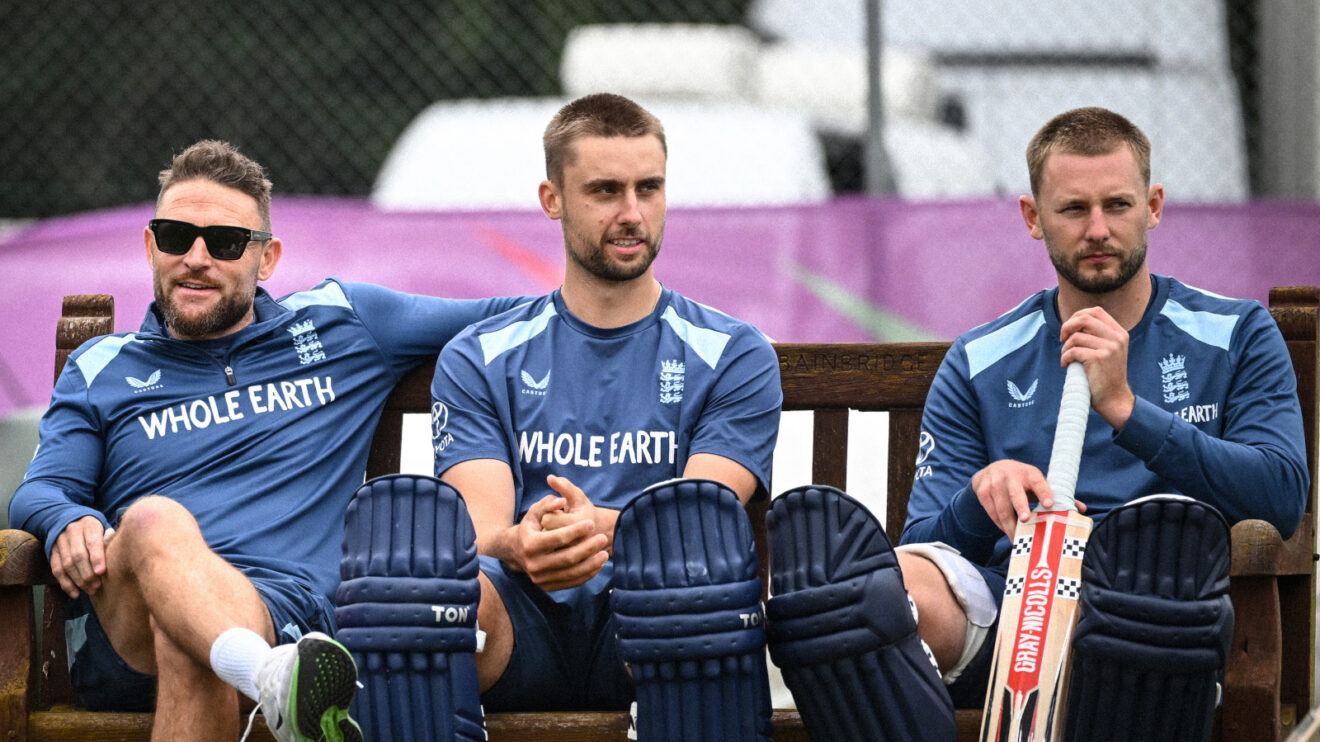
The high-risk, high-reward nature of England‘s aggressive red-ball revolution means that not every intuition pays off.
In their quest to find players who can unlock games with revolutionary flair, the selection committee has occasionally backed specialists whose skills or mentalities clashed with the harsh, technical realities of five-day cricket.
The selection of James Rew to play in the recent second Test against New Zealand at The Oval marked the 20th player to be handed a Test debut by McCullum.
Let’s take a moment to take a look at the five least successful Test call-ups of the McCullum era; players who have struggled to leave a lasting mark, or perhaps ones who just need a bit more time.
1. Matt Parkinson
The Lancashire leg-spinner was handed a dramatic debut as a concussion substitute for Jack Leach, but his outing exposed the tactical friction within the new regime.
Parkinson’s traditional, slow-looped trajectory struggled to find a home in a system designed around rapid over-rates and relentless pressure.
Unable to contain aggressive batsmen or extract quick bite off the surface, he was rapidly sidelined as the management pivoted toward taller, faster finger-spinners.
2. Liam Livingstone
Liam Livingstone’s call-up was the ultimate manifestation of the “Bazball” theory – introducing a destructive white-ball superstar to destabilise Test bowling attacks.
However, his debut in Pakistan was cut short by a tragic knee injury, and his brief time at the crease highlighted the immense difficulty of transferring ultra-aggressive limited-overs habits into the Test cricket arena without a robust defensive foundation.
He hasn’t featured in the longest format since. Livingstone is not a bad player, but he is definitely better suited to white-ball cricket than red.
Also read: Ranked – Ben Stokes compared to arguably the best all-rounder in Test cricket history
3. Emilio Gay
Brought into the squad as the apparent solution at the top of the order following some excellent county form, it may be too early to make a full judgement on Emilio Gay.
While it is fair to say that his excellent form for Durham hasn’t quite translated to international success he deserves a decent run at the top of the order, especially given that he managed two half-centuries in his first two Tests.
Opening the batting for a McCullum team is no easy assignment given the expectation of dominance from the outset.
4. Sonny Baker
Fast-tracked into the side to add extreme variety and raw, unadulterated pace, Sonny Baker’s introduction proved to be premature.
Red-ball cricket demands an immense amount of physical durability and tactical nuance, qualities the young speedster struggled to exhibit under intense pressure.
Suffering from expensive spells and showing an inability to sustain high velocities across multiple long sessions, his debut served as a stark reminder that raw pace requires refinement.
He earned his debut at The Oval against New Zealand and finished the game with figures of three for 161.
5. Matthew Potts
While Matt Potts enjoyed brilliant individual moments during his initial outings, his long-term integration into the frontline attack eventually stalled.
As a reliable deck-pounder, Potts initially thrived on helpful pitches but struggled when conditions flattened out and required magical variation.
As the management’s tactical demands evolved toward genuine 90mph speed or elite mystery spin, Potts found himself pushed down the pecking order and he hasn’t bowled for England since the first innings of the fifth Ashes Test in Sydney at the start of 2026.
Read next: Anatomy of a prodigy – Decoding Vaibhav Sooryavanshi’s strike rates per phase of the innings